Why More Facilities Are Choosing 55 Gallons Drum Storage
Most facilities do not start with a large cleaning supply storage.
A small gym may begin with a few spray bottles near the front desk. A training center might keep refill containers inside a maintenance closet. Schools, athletic facilities, and commercial spaces often build their cleaning routines gradually over time based on daily demand.
For a while, smaller containers work perfectly fine.
But as operations grow, cleaning routines usually grow with them. More rooms get cleaned. More equipment gets disinfected. More staff members handle sanitation throughout the day. Eventually, some facilities start realizing they are spending more time refilling containers than they expected.
That is usually when larger storage options like a 55 Gallons Drum start becoming part of the conversation.
Why Cleaning Supplies Need to Change Over Time
Most businesses do not suddenly shift from small containers to bulk storage overnight.
The transition usually happens gradually as cleaning becomes more frequent and operations become more demanding.
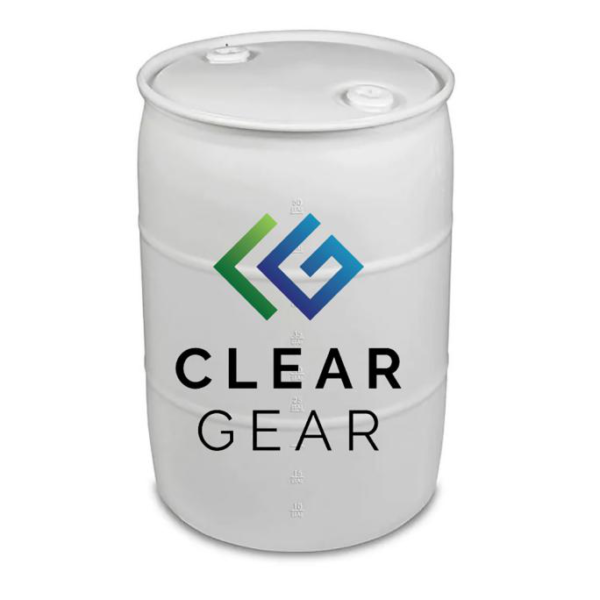
A facility that once sanitized surfaces once per day may now disinfect multiple times between shifts, practices, appointments, or customer visits.
That increase affects more than product usage alone.
What Changes as Facilities Grow
- Refill frequency increases
- More employees use sanitation products daily
- Cleaning schedules become more structured
- Supply tracking becomes more important
- Running out of product creates larger disruptions
For smaller spaces, compact containers may still make the most sense. But high-usage environments often begin looking for ways to simplify long-term supply management.
Why Some Facilities Stay With Smaller Containers
Large storage is not automatically the right solution for every environment.
Some businesses simply do not use enough product daily to justify bulk supply systems. Others may have limited storage space or only need sanitation products occasionally throughout the week.
That is why many facilities continue relying on:
- Small offices
- Boutique fitness studios
- Low-traffic facilities
- Mobile cleaning teams
- Limited-use environments
- Small staff operations
Smaller containers offer flexibility, portability, and easier storage for businesses with lighter sanitation demands.
The important part is understanding how frequently products are actually being used day to day.
When Bulk Storage Starts Making More Sense
High-usage environments operate differently.
Athletic facilities, schools, commercial cleaning operations, warehouses, and large gyms often move through sanitation supplies far faster than expected.
In these spaces, repeated refilling can slowly become part of the daily workload itself.
Signs a Facility May Benefit From Larger Storage
- Staff constantly refill spray bottles
- Supplies run low too quickly
- Multiple cleaning stations need daily restocking
- Large areas require repeated disinfecting
- Product ordering becomes more frequent
At a certain point, larger storage solutions become less about “more product” and more about operational consistency.
Size Comparison Depends on Daily Usage
The best storage option usually depends on how much product a facility actually uses throughout the week.
Some operations may only need portable refill containers. Others may benefit from centralized bulk storage systems that support larger sanitation routines across multiple departments or buildings.
| Container Size | Best For | Typical Usage Level |
| Spray Bottles | Spot cleaning and portable use | Low daily usage |
| 1 Gallon Containers | Small refill stations | Moderate usage |
| 5 Gallon Containers | Medium facilities and maintenance teams | Consistent daily usage |
| 55 Gallons Drum | High-usage operations and centralized supply systems | Large-scale daily sanitation |
The goal is not choosing the “biggest” option. It is choosing the size that fits the actual operational demands of the facility.
The Hidden Cost of Constant Refilling
One issue many growing facilities notice over time is how much staff time is spent managing supplies.
A refill here may not seem important.
Another refill later may not seem important either.
But across an entire week, repeated interruptions begin adding up.
Operational Challenges Facilities Commonly Face
- Employees stopping tasks to refill containers
- Supply closets are running empty unexpectedly
- Inconsistent product availability between departments
- Difficulty tracking inventory usage
- Last-minute product shortages during busy periods
Bulk storage systems help reduce some of those interruptions by supporting larger refill cycles and more centralized supply management.
Why Do Different Facilities Approach Storage Differently
No two facilities clean exactly the same way.
A school may prioritize high-touch surface disinfection throughout the day. A gym may focus heavily on equipment sanitation. A warehouse may require larger-scale maintenance and cleaning across wide operational areas.
That is why cleaning supply strategies often vary depending on:
- Facility size
- Daily traffic volume
- Number of cleaning stations
- Staff size
- Frequency of disinfecting routines
- Storage availability
For some operations, compact storage stays practical long-term. For others, larger systems eventually create smoother workflows and more predictable supply management.
Why Facilities Are Planning Sanitation More Strategically
Cleaning has become far more operationally visible over the past several years.
Facilities now pay closer attention to:
- Supply consistency
- Refill efficiency
- Sanitation scheduling
- Long-term product management
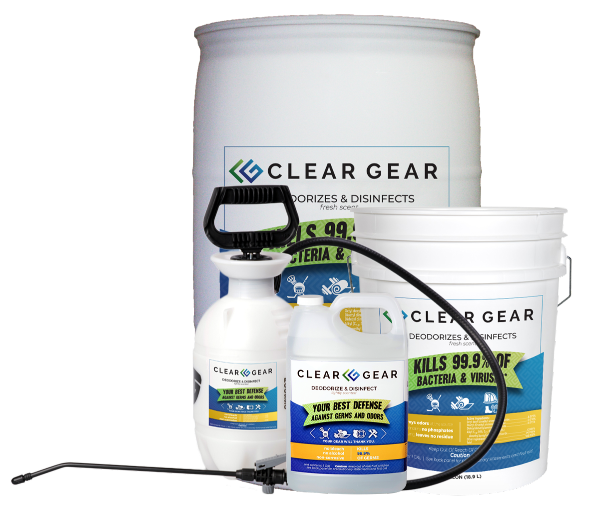
Clear Gear covers the practical side of facility sanitation without overcomplicating it. Portable containers, refill systems, and bulk storage options mean there is a setup that works whether the facility runs through a little product or a lot every single day.
Frequently Asked Questions
- What is a 55 Gallons Drumcommonly used for?
A 55 Gallons Drum is commonly used for bulk storage of cleaning, disinfecting, and sanitation products in high-usage environments.
- Are smaller containers still useful for facilities?
Yes. Smaller containers work well for portable cleaning, lower daily usage, and facilities with limited storage space.
- When should a facility consider bulk storage?
Facilities often consider bulk storage when refill frequency, sanitation demand, and product usage begin increasing consistently.
- Do large facilities use both spray bottles and bulk drums?
Yes. Many operations use bulk drums for centralized supply storage while still relying on spray bottles for daily cleaning access.
- Does Clear Gear provide solutions for different facility sizes?
Yes. Clear Gear offers sanitation solutions designed for both smaller operations and larger high-usage environments.
As facilities grow, sanitation routines usually become more demanding as well. The right storage solution is rarely about choosing the largest option available. It is about finding a system that supports the way a facility actually operates every day.