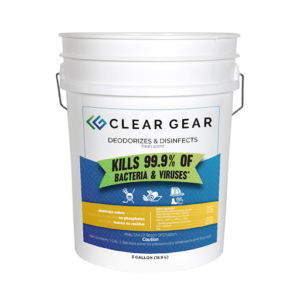
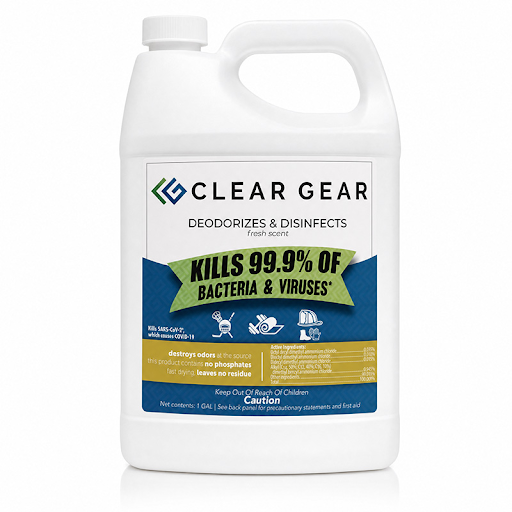
Disinfecting Spray for Hockey Gear That Helps Prevent Bacteria Buildup
Practice ends. Gear gets shoved into a bag. The ride home begins. Somewhere between the rink and the driveway, sweat-soaked pads and skates start doing exactly what damp equipment does best: growing bacteria. That is the moment most hockey players overlook, and it is also the moment a quick Disinfecting Spray makes the biggest difference. Waiting until gear gets unpacked at home is often too late, since bacteria do not wait for anyone’s schedule. We built our business around closing that gap, giving players a fast way to treat gear before it ever gets zipped shut for the drive.
Why Should Hockey Players Disinfect Gear Before Heading Home?
The car ride home seals the gear inside a warm, damp bag for hours. That trapped moisture is exactly the environment bacteria need to multiply and start creating odor. Pads, gloves, and helmets touch skin all practice long. Skipping a quick disinfecting step before the drive lets sweat and bacteria sit untouched until the next session begins.
We also built our business around how hockey actually works. Practices run late, tournaments run back-to-back, and players rarely have time for a complicated routine. Our spray is made to work fast, dry quickly, and slot into the few minutes players already spend packing up, which is why so many teams keep a bottle in every bag. Parents and coaches appreciate that it does not require extra steps or special training to use correctly.
How Does a Disinfecting Spray Help Protect Hockey Gear Daily?
An antibacterial spray works best when it becomes part of a daily habit rather than an occasional fix. Most players only think about cleaning gear once the odor becomes obvious, but by then, bacteria have already had days to build up. Here is how the right spray protects gear every time it gets used.
Kills bacteria on contact: Just a few seconds of spraying reach the spots where sweat soaks in the fastest, so odor-causing bacteria never really get a chance to settle in.
Works on hard, non-porous surfaces: Helmets, cages, and skate boots take a spray-and-wipe routine well. It gets things clean without eating away at plastic, metal, or those protective coatings.
Fits into a fast post-practice routine: There is no soaking, no scrubbing, none of that. A quick spray before the bag zips up is enough, and it does not mean skipping equipment care to save time.
Reduces lingering locker room odor: Treat the gear right after it comes off, and bacteria never get the chance to spread that smell through a bag or a shared space.
Supports shared team equipment: benches, sticks, whatever the team shares, they all benefit from the same quick pass. High-touch surfaces stay cleaner for whoever uses them next.
We designed our disinfecting spray with exactly this routine in mind, so it fits into practice without adding another chore to a player’s day.
What Happens to Hockey Gear Left in a Bag After Practice?
Once a bag zips shut, moisture has nowhere to go. Heat from a car trunk speeds up bacterial growth even faster than normal room temperature. By the next practice, sweat has already dried into fabric and padding. Odor builds, and simply airing out a bag rarely reverses what has already happened overnight.
Coaches see this pattern every season. Bags that sit untreated for even a few days start smelling long before anyone notices visible grime, and by then the buildup is much harder to manage. That is exactly why we created Clear Gear, a fast disinfecting spray that stops the problem before it starts, right at the rink.
Why is Clear Gear the Best Choice to Buy Disinfecting Spray?
We formulated our sanitizing spray, specifically for athletic gear, not as a generic household cleaner repackaged for sports bags. That distinction matters because hockey equipment includes foam padding, mesh, plastic shells, and metal cages that all need a product safe enough to use often without breaking anything down over a season. Many general-purpose sprays are not built with that kind of material in mind, and repeated use can wear down padding or leave residue behind.
We also built our business around how hockey actually works. Practices run late, tournaments run back-to-back, and players rarely have time for a complicated routine. Our spray is made to work fast, dry quickly, and slot into the few minutes players already spend packing up, which is why so many teams keep a bottle in every bag. Parents and coaches appreciate that it does not require extra steps or special training to use correctly.
How to utilise sanitizing spray in Different Manners?
A disinfecting spray earns its place in a hockey bag by doing more than one job. It is not limited to pads and gloves, and once players see how many places it actually helps, it becomes a lot easier to reach for it regularly. Here are a few ways players and teams put it to use.
Post-practice equipment treatment: Spray pads, gloves, and helmets right after practice, before anything gets packed away for the ride home.
Locker room surface care: Benches, stall walls, and shared touchpoints benefit from a quick spray-down between team sessions.
Bag interior maintenance: Treating the inside of a bag helps prevent odor from building up in the fabric lining over time.
Pre-game equipment refresh: A fast spray before warmups keeps gear feeling clean heading into a game, not just after one.
Shared gear and loaner equipment: Helmets and pads passed between players or used by guests get a quick, practical layer of protection.
We built our sanitizing spray to handle all of these situations without requiring a different product for each one.
Bringing It All Together
The ride home is a small window, but it decides how gear spends the next several days. A Disinfecting Spray used before the bag closes stops bacteria from getting the head start it usually gets. Whether it is a quick spray on pads after practice or a full team routine between games, treating gear early makes the difference. Building that habit does not take long, and once it becomes part of the routine, it rarely feels like extra work at all.