How to Get the Smell Out of Football Pads (And Why That Smell Is the Least of Your Worries)
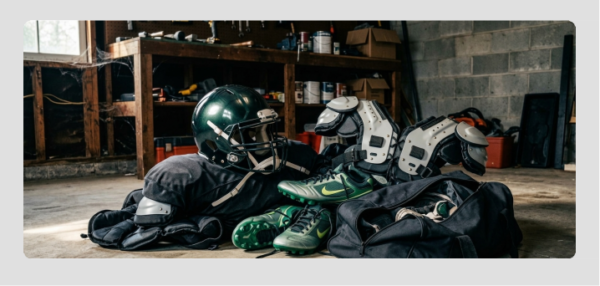
Your kid comes home from practice and drops their bag by the door. You smell it before you see it. That deep, sour, locked-in stench isn’t just embarrassing. It’s a warning sign. Here’s what’s actually living inside those pads, and what you need to do about it.
That Smell Means Bacteria Is Winning
Football pads don’t just get smelly. They become breeding grounds.
Every practice, your athlete sweats directly into foam padding that almost never gets properly cleaned. That foam holds moisture for hours. It sits in a dark bag. It never fully dries. By the
time the next practice rolls around, the bacteria colony living inside those pads has had 24 hours to multiply.
What you’re smelling is what bacteria leaves behind as it breaks down sweat. Specifically,
compounds like isovaleric acid that produce that distinct, sour odor. If you can smell it, the colony is already large enough to be detectable. And at that point, it’s not just sitting on the surface anymore. It’s deep in the foam.
What’s Actually In There: The Part Most Parents Don’t Know
This is where it gets serious.
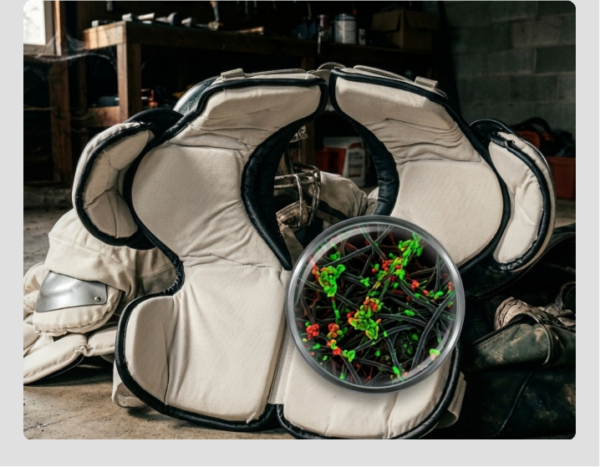
The warm, damp, dark interior of unwashed football pads is one of the most ideal environments for dangerous pathogens to thrive. The bacteria that grows there isn’t just gym smell bacteria. It includes:
Staphylococcus aureus (Staph). A bacteria that lives naturally on skin but becomes dangerous when it enters cuts, abrasions, or turf burns, all of which are extremely common in football. Staph infections can start as small red bumps and escalate into painful, swollen abscesses that require medical treatment.
MRSA (Methicillin-Resistant Staphylococcus aureus). This is the one that should make every football parent stop scrolling. MRSA is a strain of staph that has become resistant to most common antibiotics. It spreads easily through shared equipment and skin-to-skin contact. There have been documented MRSA outbreaks in high school and college football programs across the country. What looks like a spider bite can become a serious, hard-to-treat infection within days.
Ringworm (Tinea corporis). Despite the name, this is a fungal infection, not a worm. It spreads easily through contact with contaminated equipment and surfaces. Football pads, helmets, and shared gear are a common transmission point.
E. coli.Yes, E. coli. Found regularly on shared athletic equipment, particularly in high-contact sports. It doesn’t belong anywhere near your kid’s skin.
None of these require a biology degree to understand. They all require the same response: clean the equipment, and clean it properly.
Why Febreze and a Little Air Isn’t Enough
Most parents do one of three things: spray the pads with Febreze, stick them outside to air out, or throw them in the wash with regular detergent.
Here’s the problem with all three.
Febreze masks odor. It does not kill bacteria. The colony is still there, untouched, ready to keep growing. Airing the pads out helps dry the surface, but bacteria embedded deep in foam padding survives just fine. And regular laundry detergent, even with hot water, is not formulated to kill the spectrum of pathogens that live in athletic gear. It also risks damaging the padding and shell materials that are there to protect your athlete.
Masking the smell doesn’t solve the problem. It just makes you feel like you did.
What Actually Works: Hospital-Grade Disinfection Built for Sports Gear
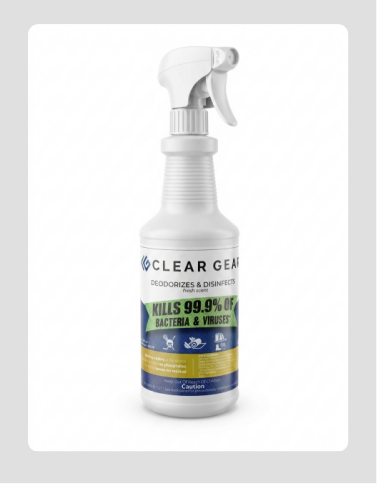
What makes it safe for repeated use on sports equipment is what it doesn’t contain. No bleach, no alcohol, no phosphates. It’s non-corrosive, so it won’t degrade the foam padding, fabric, or hard shell components of pads over time. It dries fast and leaves no residue, meaning your athlete isn’t putting on pads soaked in harsh chemicals.
It was built for exactly this problem.
How to Clean Football Pads the Right Way
Do this after every practice. Seriously, every single one.
- Removethe pads from the bag Don’t let them sit sealed overnight. The longer they stay in a dark, damp environment, the worse the bacterial growth.
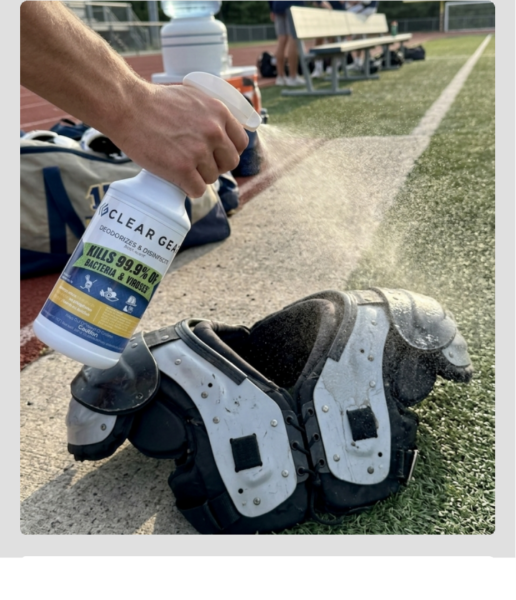
- Wipedown hard surfaces Spray down the hard shell components, shoulder caps, chest plate, spine. Let the disinfectant sit for the recommended contact time, usually about a minute.
- Spraythe foam padding Don’t be shy with it. The foam needs enough saturation that the disinfectant gets below the surface layer. Focus on areas that sit closest to the skin.
- Letit air dry completely before Leave the pads out in an open area, not back in the bag, until fully dry. This step matters more than most people realize.
- Dothe bag The inside of the gear bag is just as contaminated as the pads themselves. Spray it down, leave it open, let it dry.
- Checkfor skin If your athlete has any unexplained red spots, bumps, or skin irritation, take it seriously. Caught early, most of these infections are very treatable.
Frequently Asked Questions
1. How often should football pads be disinfected?
After every single use. Not once a week. Not once a season. Every time. Bacteria doesn’t take days off.
2. Can I put football pads in the washing machine?
Most manufacturers advise against it. The agitation and heat can break down foam padding and weaken the structural integrity of the pads over time. A proper disinfectant spray is a safer and more effective option.
3. My kid’s pads don’t smell yet. Do I still need to clean them?
Yes. The absence of smell doesn’t mean the absence of bacteria. It means the colony hasn’t grown large enough to be detectable yet. Clean them before it gets to that point.
4. Is Clear Gear safe for kids to wear after it’s been applied?
Yes. Once dry, the formula leaves no residue and is safe for direct skin contact. It’s non-toxic and free of harsh chemicals.
5. Where can I get Clear Gear?
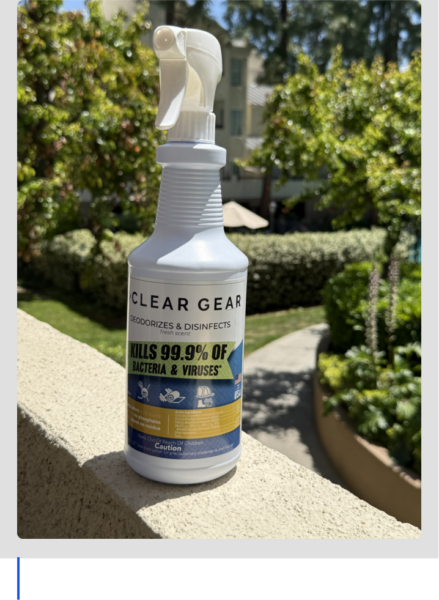
Shop Clear Gear, available in 16oz, 32oz, and 1 gallon.